On a road to Bondi Beach

After our beach epiphany last night, we decided to spend the day exploring Bondi and Bondi Junction and testing the commute to and from the CBD.  We walked down to Circular Quay and hopped on a ferry to Rose Bay.  Ten refreshing minutes later, we were strolling along New South Head Road and gazing out at the serene waters below us.

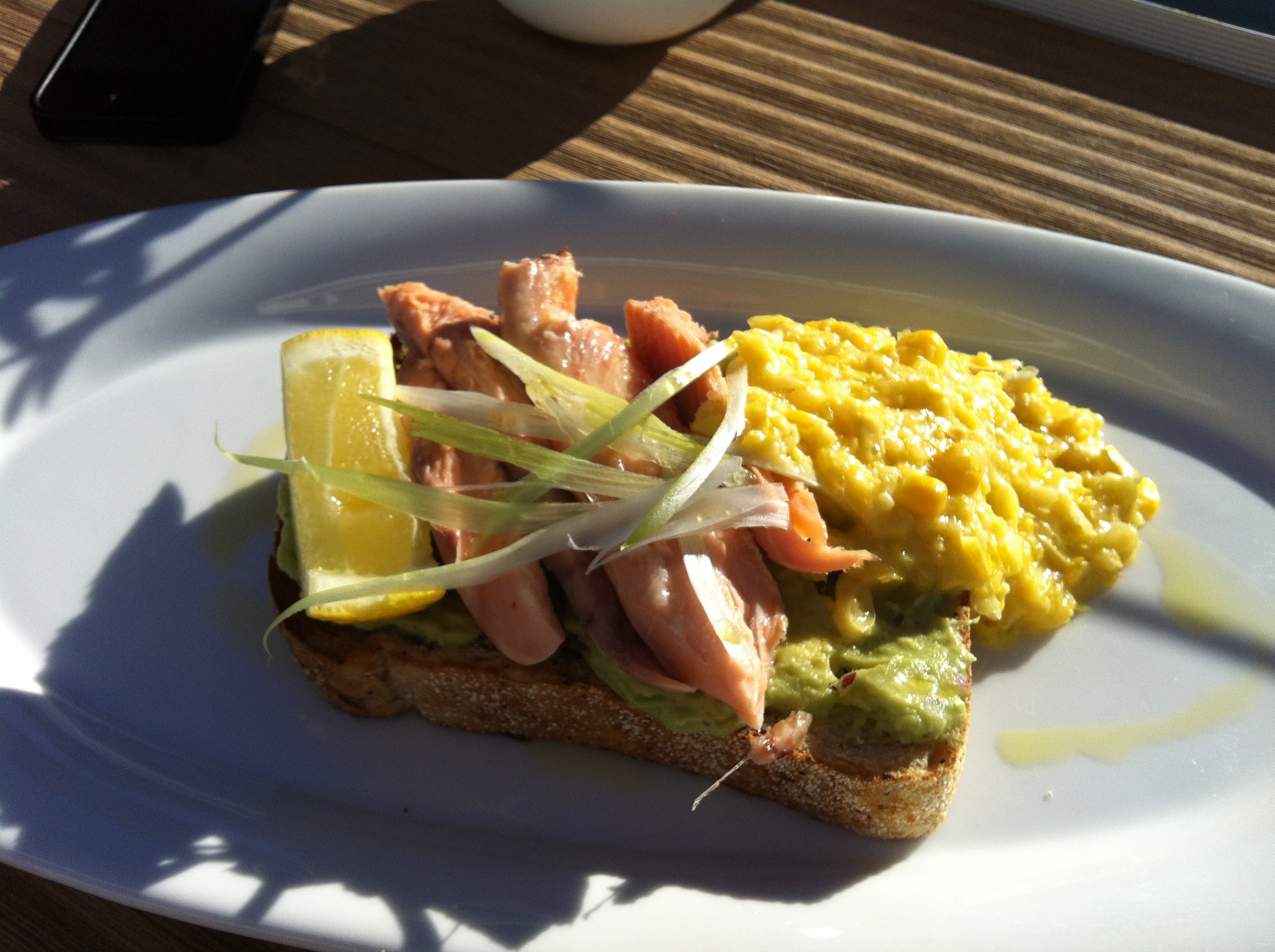
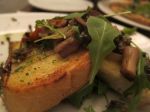
We settled in at The Swimmers Club for lunch and feasted on a delicious open face trout sandwich along with a dish of coddled eggs with portobello mushrooms, Sydney’s take on oeufs en cocotte aux champignons de Paris.

The Swimmers Club
Smoked Ocean Trout, avocado chili smash and sweetcorn soubise on toast
Coddled eggs with mushrooms at The Swimmer's Club
Coddled eggs with mushrooms at The Swimmer’s Club

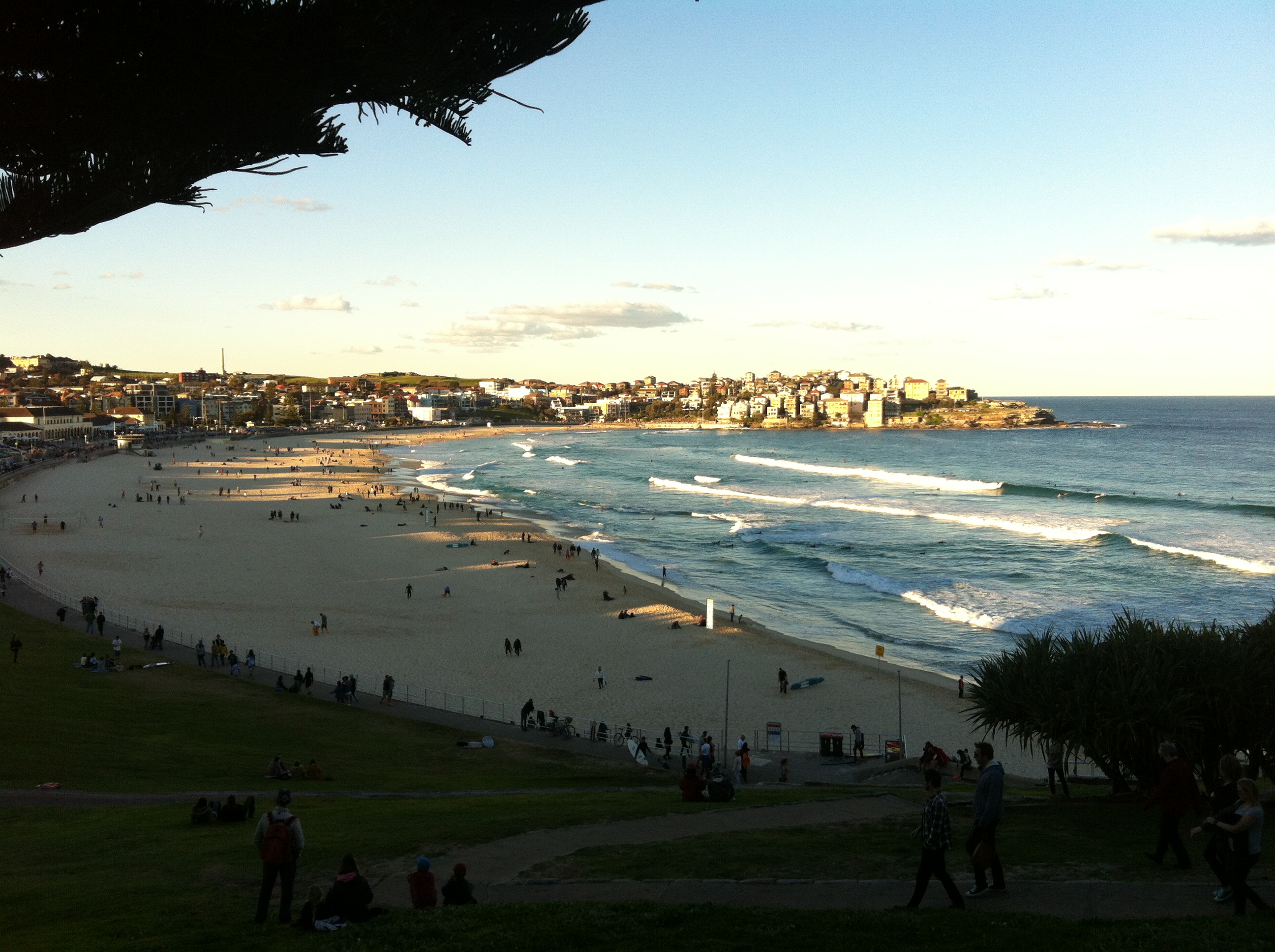
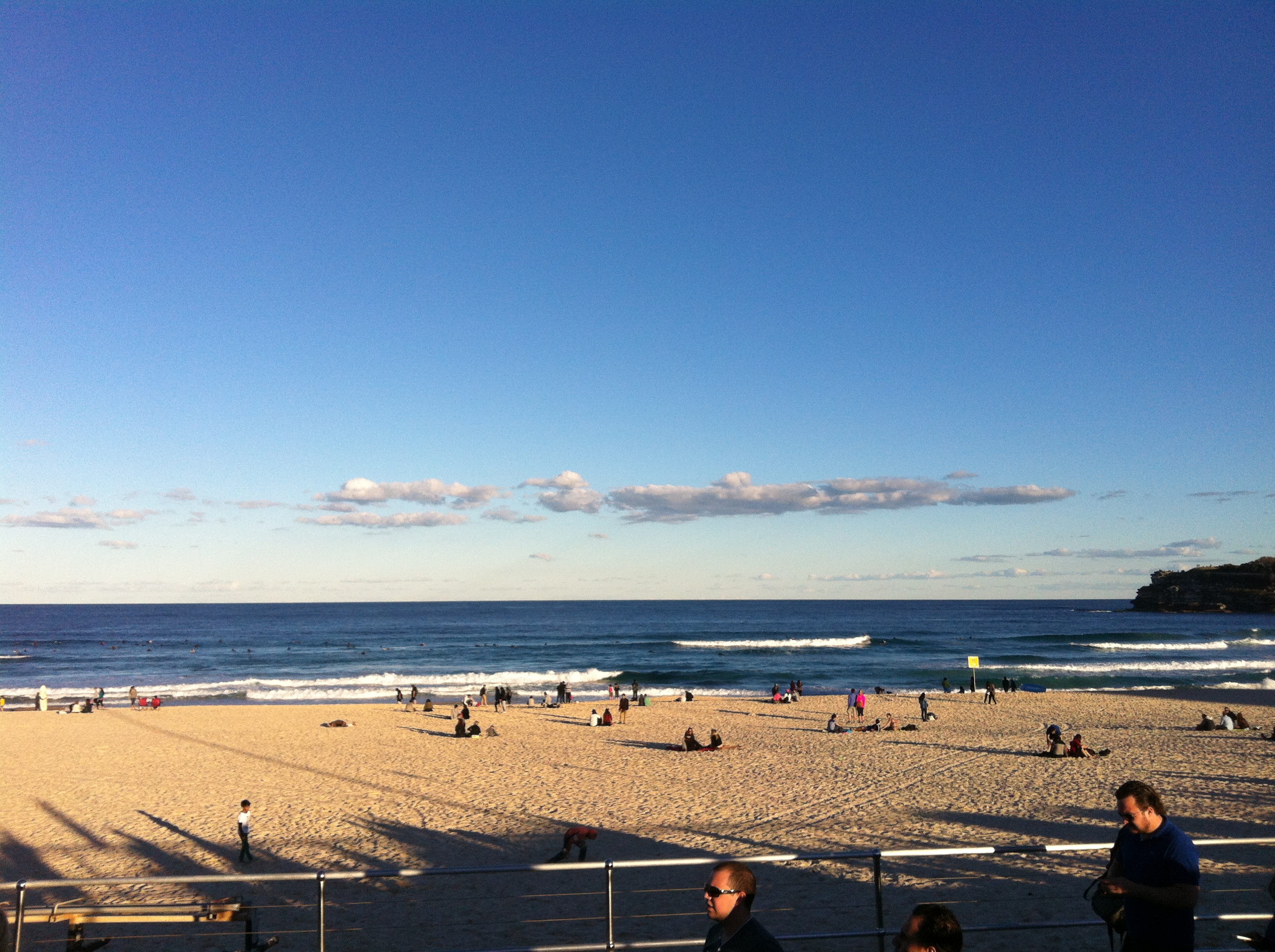
After lunch, we were able to hail a cab and to North Bondi Beach.  Our plan was to walk from one end of the beach to the other while zigging and zagging through some of the inner streets.  Campbell Parade, the main strip on the beach, is a lot quieter in the winter time.  You’ll still encounter ample surfers and beach side activities but it isn’t as packed as when we were here in March.  The walk along Bondi was awesome.  Going even one or two blocks in from Campbell gets you away from the hubbub and into some fairly residential-feeling territory. It’s definitely bustling but I think, if anything, we’ll appreciate that, coming from New York.  We walked up to Icebergs and took in the view from the top of the hill.  I think we’re sold!

Bondi Beach
View of Bondi Beach from near Icebergs
Bondi Beach
View of Bondi Beach from Campbell’s Parade

In search of new stomping grounds

Greetings from Sydney!  Two whirlwind days have gone by and we’re settling in and enjoying our time in Australia. Our Qantas flight deposited us at Kingsford Smith International early Friday AM and, after shepherding our many bags through customs, we arrived at our corporate apartment to learn that check in starts only at 2pm. Hmm. We spent the morning opening bank accounts and investigating phone plans and after some half-hearted unpacking, we let the jetlag get the better of us, passing out early in the evening.

Saturday was much more eventful. After a morning run around the Opera House and the Botanical Gardens and an Australian breakfast, we made our way to Paddington to kick off a jam-packed schedule of open houses. Sydney’s “Paddo” appears most similar to New York’s West Village and London’s Notting Hill: cobblestone streets, open air cafés, boutiques and art galleries and plenty of gastropubs. Paddo is known for its leafy, narrow streets and terraced 2 and 3 storey houses with wrought iron lace balconies. Its central location, midway between downtown Sydney and the Eastern Beaches, and its proximity to Centennial Park makes it a popular neighbourhood for young professionals.

Paddo
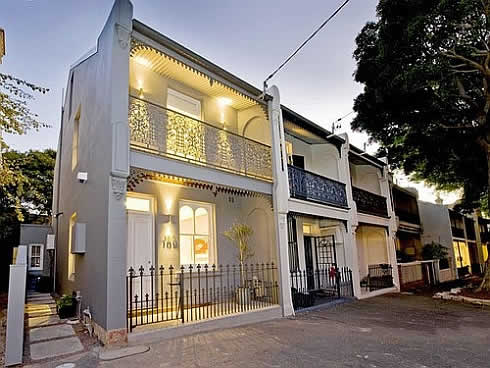
A typical 19th century terrace house in Sydney’s trendy Paddo

We saw a total of eight houses in Paddington and, as much as people complain about rents here, we were frankly amazed at the space available to us for the price of a New York shoebox. We were also impressed by how high tech most of these 19th century homes appeared to be. Our excitement peaked with our seventh viewing and we spent part of the remaining afternoon considering our bid strategy over a delicious lunch at Chiswick.

Chiswick Woollahra
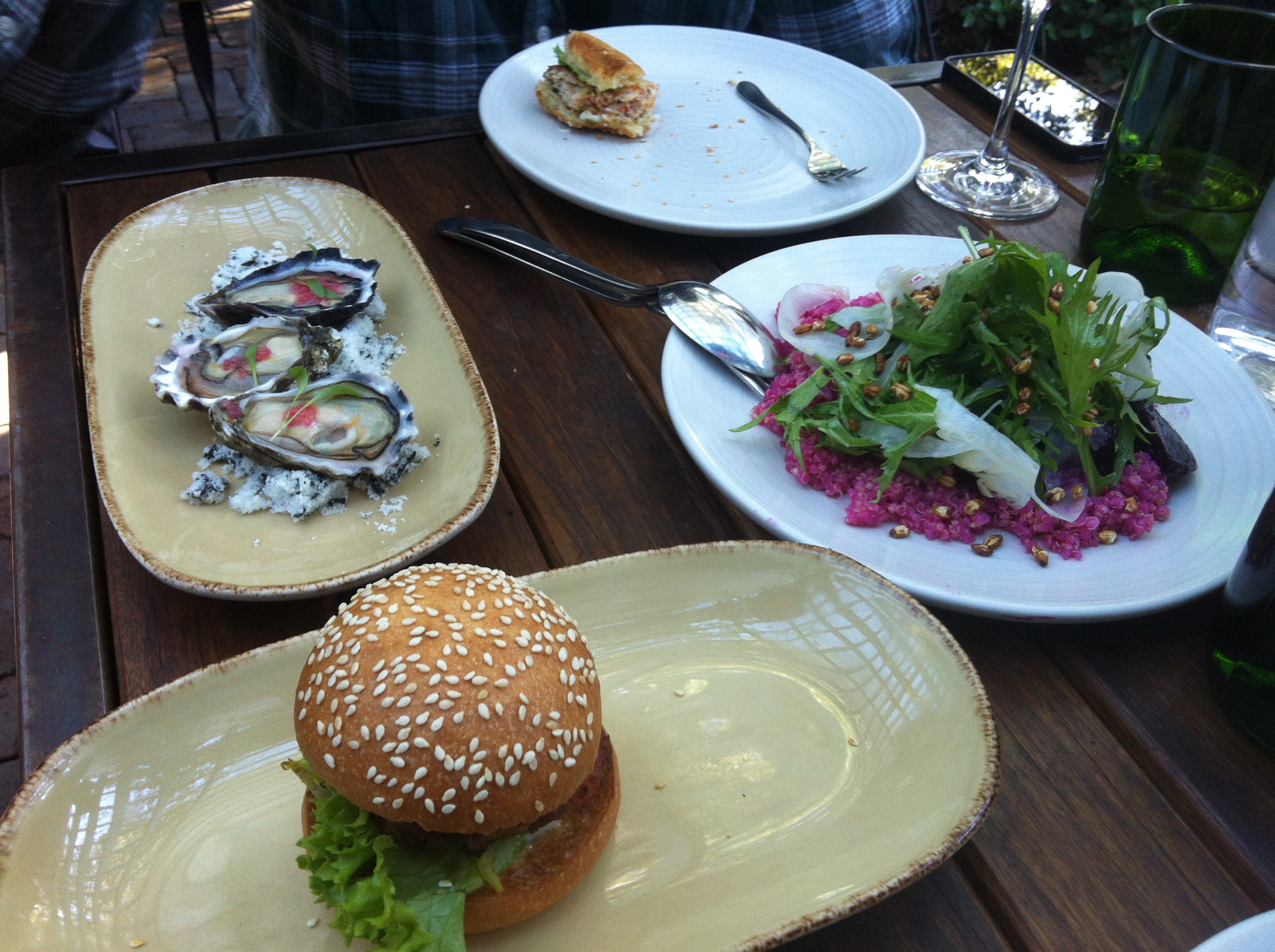
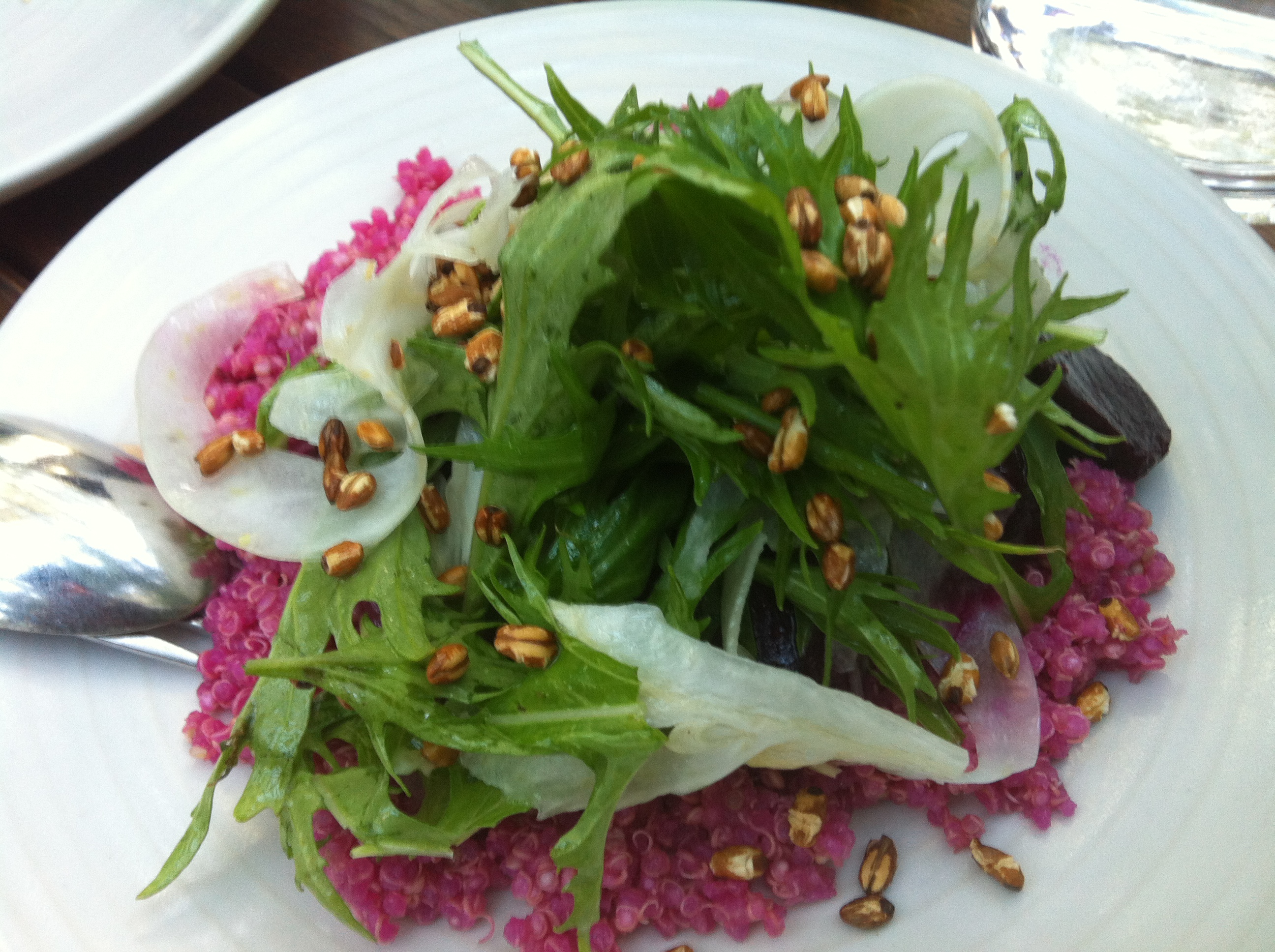
Lunch at Chiswick in Woollahra
Beetroot, Quinoa, Fennel Salad

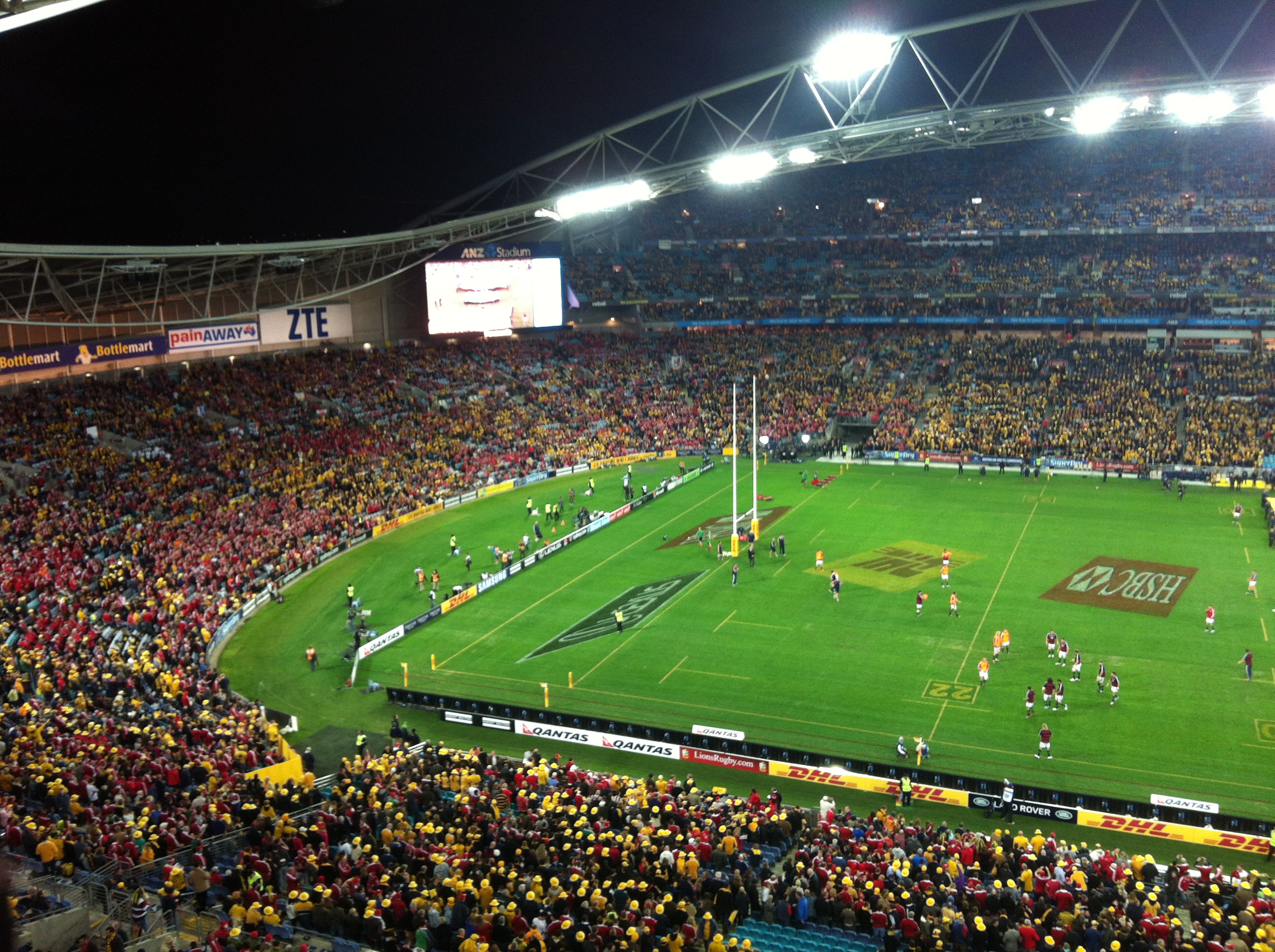
Getting back to the CBD turned out to be a bit of a pain but we managed some downtime in our apartment before heading out for the Lions vs. Wallabies game. Some of Niraj’s colleagues picked us up and, as it turned out, spent most of the 1 hour commute giving us the hard sell on living in Bondi!

The sales pitch continued at dinner and persisted even through the car ride home. We had originally thought of living by the beach but after experiencing the painful bus commute when we last visited Sydney, we’d thrown that idea out the window. Besides, wasn’t the beach a little too touristy and chaotic to make a permanent home out of? Apparently not. As we listened to these guys expound the merits of a beach side property, the answer seemed incredibly clear: Paddington was going out the window and we were going to start our search from scratch…in Bondi!

Oh and side note but the Wallabies vs. Lions game was absolutely incredible!  It’s been an amazing first few days in Sydney!

30k British and Irish fans travelled to Australia for these games
30k British and Irish fans travelled to Australia for these series of games

Hooroo New York, G’Day Sydney!

It’s official… we are moving to Sydney!  I turned in my resignation last month and my last day at work is tomorrow.  Time to get cracking on that New York bucket list!  Some of the restaurants on my to-eat list:

1. ABC Kitchen (Flatiron)

2. L’Artusi (West Village)

3. Sushi Azabu (Tribeca)

4. Hakkasan (Hell’s Kitchen)

5. Kajitsu (Midtown East)

6. Hudson Clearwater (West Village)

7. The Spotted Pig (West Village)

8. Little Owl (West Village)

9. Per Se (Midtown West)

10. Dominique Ansel Cronuts (SoHo)

Tails, bones and broken tailbones

The Saturday before last, I quite literally busted my ass.slip

I was heading down to the basement of an art gallery, hot drink in one hand, handbag in the other, when my right foot lost traction with the stone step beneath it.  I flew into the air.  The contents of the lidless cup flew everywhere. Hot chocolate hit the walls, my jeans, my t-shirt, my hair, my face.  A cruel reminder of the splatter technique a group of us had been refining earlier that morning at a painting class.  I landed, with a great thud, on my behind.  The only thing I felt more acutely than my utter mortification was the wave of pain that had engulfed my entire body, making it hard to crack a smile, to move, to stand.

My two friends propped me up and I attempted to don my I’ll-be-fine face, while my husband ran to fetch ice.  We hobbled into a nearby bathroom and I let him clean me up as my bravado broke down and I succumbed to bawling uncontrollably for the ensuing five minutes.  We somehow made it to a taxi, where I positioned myself as best I could in a yogic cat-cow, and up the stairs to our apartment.

We spent the next 6 hours applying ice pack after ice pack to what Google told us was likely a broken tail bone.  I spoke to my dad, a cardiac surgeon who thinks anything outside of heart attack territory is “minor”, and didn’t know whether to feel heartened or alarmed when he told me a broken tailbone is one of THE most painful things ever.  Multiple Advil were barely easing the throbbing but, as the evening progressed, most scary were the vertigo and tinnitus that accompanied and derailed all attempts to stand.  We talked about going to the emergency room but the slightest movement would result in immense pain.  We decided to wait and, fortunately, the next morning I found that I could stand and very slowly move.

The doctor at the urgent care clinic dubbed my condition coccydynia — pain and discomfort in the tailbone area resulting from injury.  X-rays declared it a “likely fracture”, not much different than Google’s verdict but then breaks in the small coccyx bones, we learned, are hard to confirm.  Recovery, whether a bruise or a fracture, ranges from 4-6 weeks to several months and treatment involves prescription pain killers and limited strain to the area, i.e. no sitting.  Hmm.

Armed with a few bottles of prescription Ibuprofen and Tylenol with Codeine (for “breakthrough pain” I was told), we headed home and began my treatment in earnest.  A few hours, a couple of visits from friends and several episodes of Revenge later, I found that I could lie on my side, prop my head up on one hand and type with the other.  It wasn’t great but it was good enough to work from home. Today, I’ve felt well enough to stand and discovered that our living room windowsill is the perfect height for a makeshift standing desk. My heels and feet ache but what I’ve lost in pedal comfort, I’ve gained in typing speed.

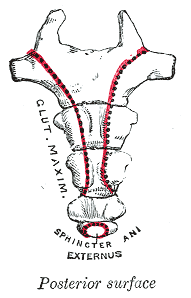
Screen shot 2013-07-10 at 11.33.05 PMSo what have I learned in these last few days?  For starters, I don’t think I’d ever said the word “coccyx” out loud until I fell on mine.  The coccyx, or tailbone, is a vestigial structure, the remnant of a lost tail.

It consists of 3-5 small bones that are either separate or fused and together represent the bottom of the vertebrael column (the spine).  There are fibrocartilagious discs between the bones of the coccyx which are similar to the discs present in our spinal column. The main function of the coccyx is to be a weight-bearing structure when a person is seated; it forms a tripod with the two hip bones. The coccyx bears more weight when the seated person is leaning backward and less weight when the person leans forward.

Unsurprisingly, the most common cause of coccyx injuries is falling on your butt. Both the primary care physician I saw Sunday and the orthopaedic specialist I saw yesterday said that slipping on ice or stairs or while snowboarding are the most frequent complaints.  Unlike other fractures, you cannot immobilize someone’s coccyx by putting it in a cast; the only route to recovery is time and rest.

A friend, who fractures her tailbone a few years ago by sitting down hard on a car seat belt (sounds crazy, yes) called to offer some advice last night. She told me she initially underestimated its seriousness but found her pain worsening over the course of six weeks. She ended up cancelling longstanding travel plans to instead spend a month lying on her couch. It was several months before she could exercise again and her pain killer intake ended up causing a stomach ulcer. Yikes.

Coccyx aside, a few really simple life lessons:

  1. If you’re going up or down stairs and you slip with your hands occupied, they’re not going to drop what they’re carrying to break your fall or grab onto something.  It’s a weird human reflex.  Try to keep at least one arm free when you use those stairs.
  2. The early days are the most crucial in recovery.  Whether an injury relates to muscles, ligaments, tendons or bones, early rest / ice / heat is critical in laying the groundwork for recovery.
  3. Don’t take pain killers on an empty stomach and don’t confuse the absence of of pain with successful recovery (obvious but we forget).  Medicating and carrying on as usual will only make things worse and likely prolong recovery or even introduce new issues.

Cant Stop Eating Chocolate Digestive Biscuits

It’s been a while, I know.  But I promise I’ve been really really busy.  For example, two weeks ago I was in England, hopping between London, Cambridge and Leeds as I re-connected with some of my all-time favorite foods.  After 30 painful months of separation, I am in love, all over again, with British food.

Now, I know what you’re going to say and I’ve heard it all before: British food is terrible, bland, over-cooked, stodgy stuff that no one should have to eat.  But you’re wrong and here’s why:

1. British breakfasts are awesome.

Yes, fry-ups are bad for you, but that’s not what I’m talking about.  I’m talking about variety.  As much as I love bagels, cream cheese, capers and lox and even though I’ll admit to sneaking eggs on a roll with Tabasco from my local street cart every so often, New York’s breakfast options are surprisingly limited beyond that.  And no, I don’t really consider Dunkin Donuts or Krispy Kreme to be purveyors of real breakfast food.

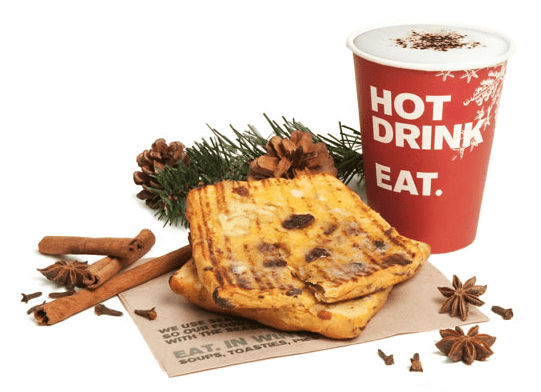
For starters, there’s EAT.  Yes, they’re a chain but they’re also dedicated to fresh, quality food.  EAT serves a delicious selection of toasted breakfast sandwiches, muesli, granola, yoghurts and fruit salads.  EAT doesn’t buy a single mass-produced sandwich, soup or salad – they make everything fresh in their own kitchen with a one day shelf life.
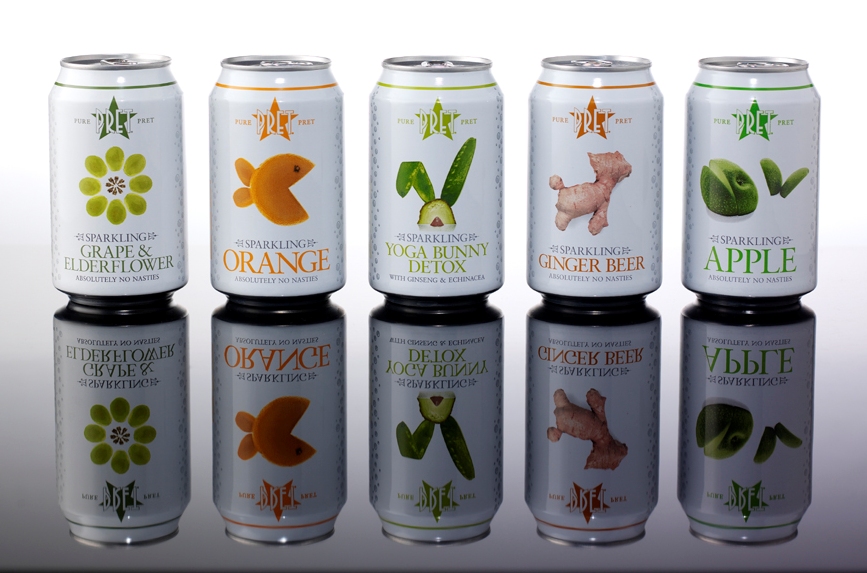
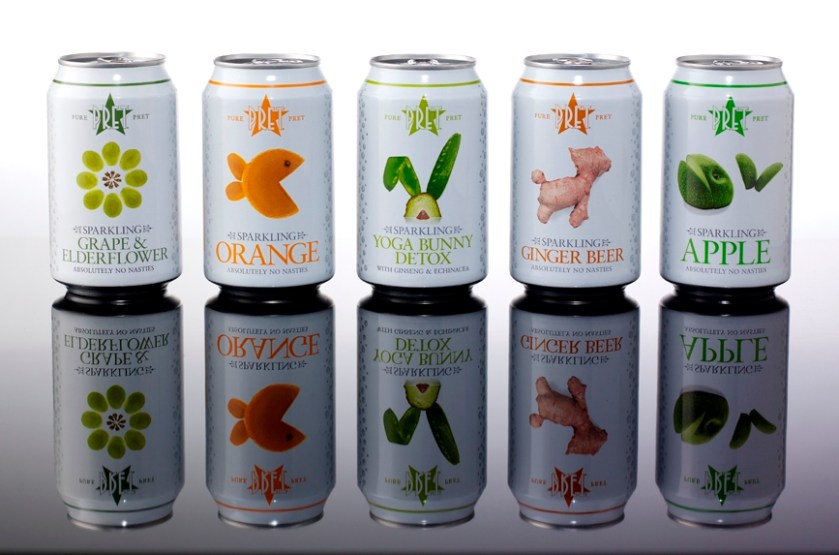
High on their heels is Pret A Manger which, like EAT, prepares its food fresh every day (each store has a kitchen), abstains from any “factory stuff” and changes its menu regularly to incorporate seasonal ingredients.  Pret started in 1986 as a London venture by college friends Julian and Sinclair; today the company has 240 stores.  They’ve  always been a socially conscious business, giving leftover food to charities, but this year Pret launched the “Really Big Christmas Dinner“, whereby they will donate 5p from every sandwich sale through Nov and Dec to hot Christmas meals for the homeless.  While I personally prefer the breakfast food at EAT, Pret has been more successful / aggressive about growing the business.  Besides offering a wider variety of products, they have grown their presence in several American cities as well as parts of Asia.
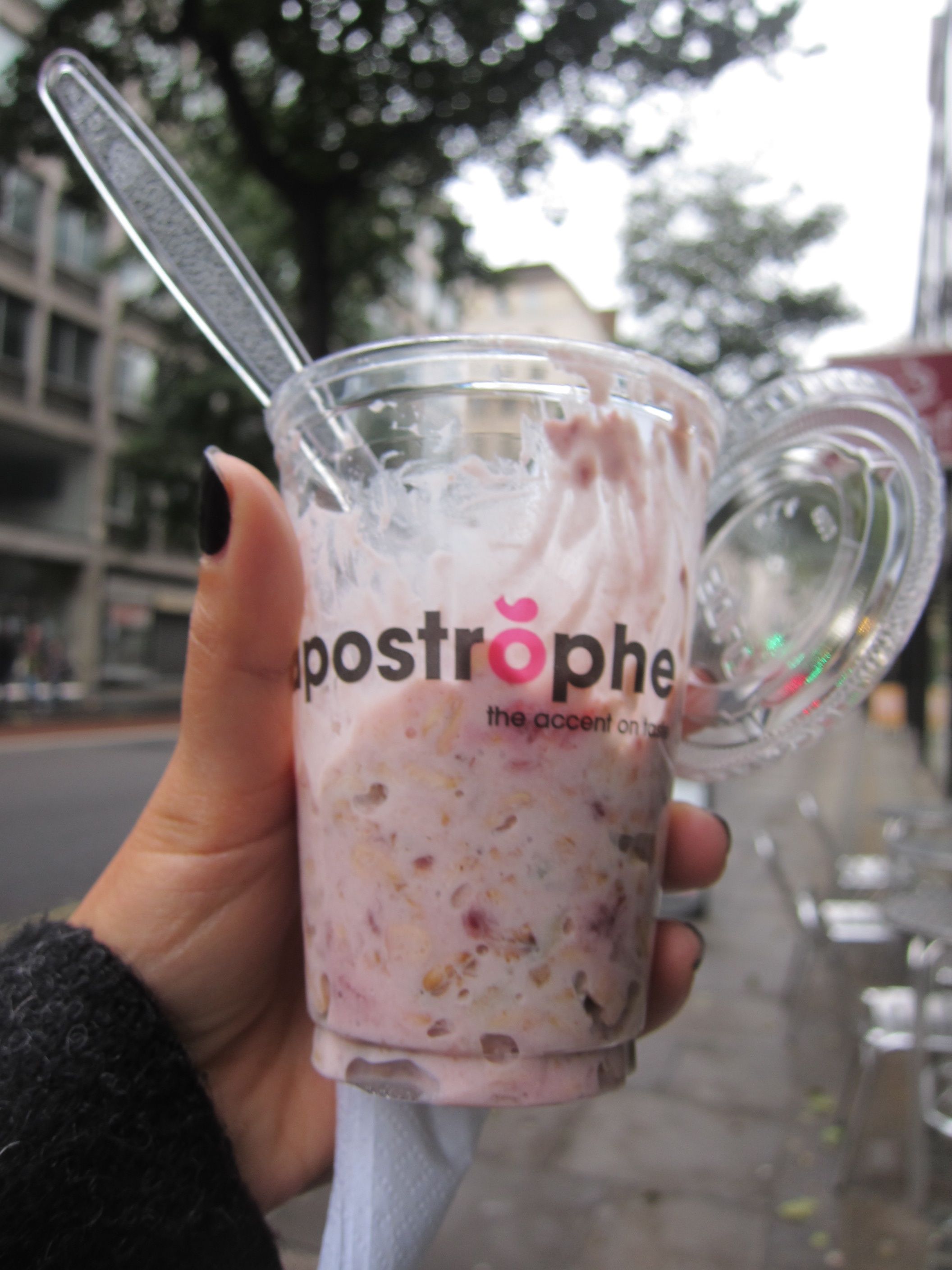
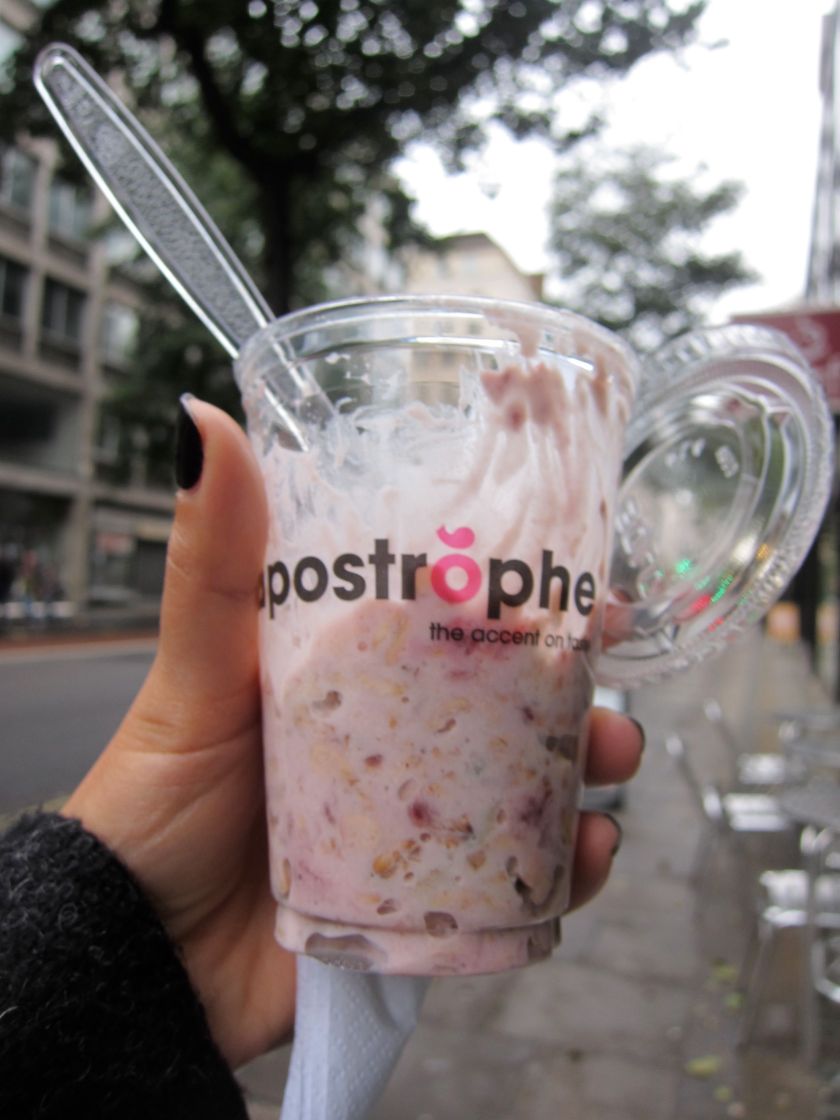
There’s also Apostrophe, a modern London take on the boulangerie-patisserie, and Innocent Drinks, a fantastic company that makes delicious smoothies and breakfast thickies with 100% pure and fresh fruit.
So yeah, British breakfasts are awesome and worth missing.  Bircher Muesli (Jamie Oliver recipe here), REAL bacon, sausage rolls, fresh yoghurt pots (none of that giant, mass-produced, sugary parfait stuff) and yes, a “Full English” are all hard to come by in the States.

2. Sandwiches

Sarnies, butties, baguettes, paninis…. call them what you will, they run rings around their American cousins.  And to be clear, I’m not talking about artisanal American sandwiches, prepared with whole grain mustard aioli, Vermont cheddar and what not, I’m talking about the average grab and go American sandwich, vs. the average grab and go British sandwich.

First is the issue of height.  I am well acquainted with the bigger is better way of American life, but there is really just nothing pleasant about 3″ of bland meats and salads packed inside 2″ of bland bread, held together by what looks like a toothpick.

No one can fit a real American sandwich in their mouth… and even if you somehow manage it, you’ll probably end up eating an entire piece of meat or a bland tomato slice because the fillings aren’t chopped up.  Throwing together a bunch of coarsely chopped ingredients with some mustard and ketchup does not a sandwich make.

Second, is the issue of cheese.  The average American sandwich contains American cheese, a processed cocktail of emulsifiers, preservatives and colorings engineered to melt obediently at the slightest application of heat.

Finally, there’s the issue of the bread.  I don’t know why but whether you order a sandwich at your local deli, restaurant or cafeteria or buy the bread at a supermarket, American bread just doesn’t taste as good.

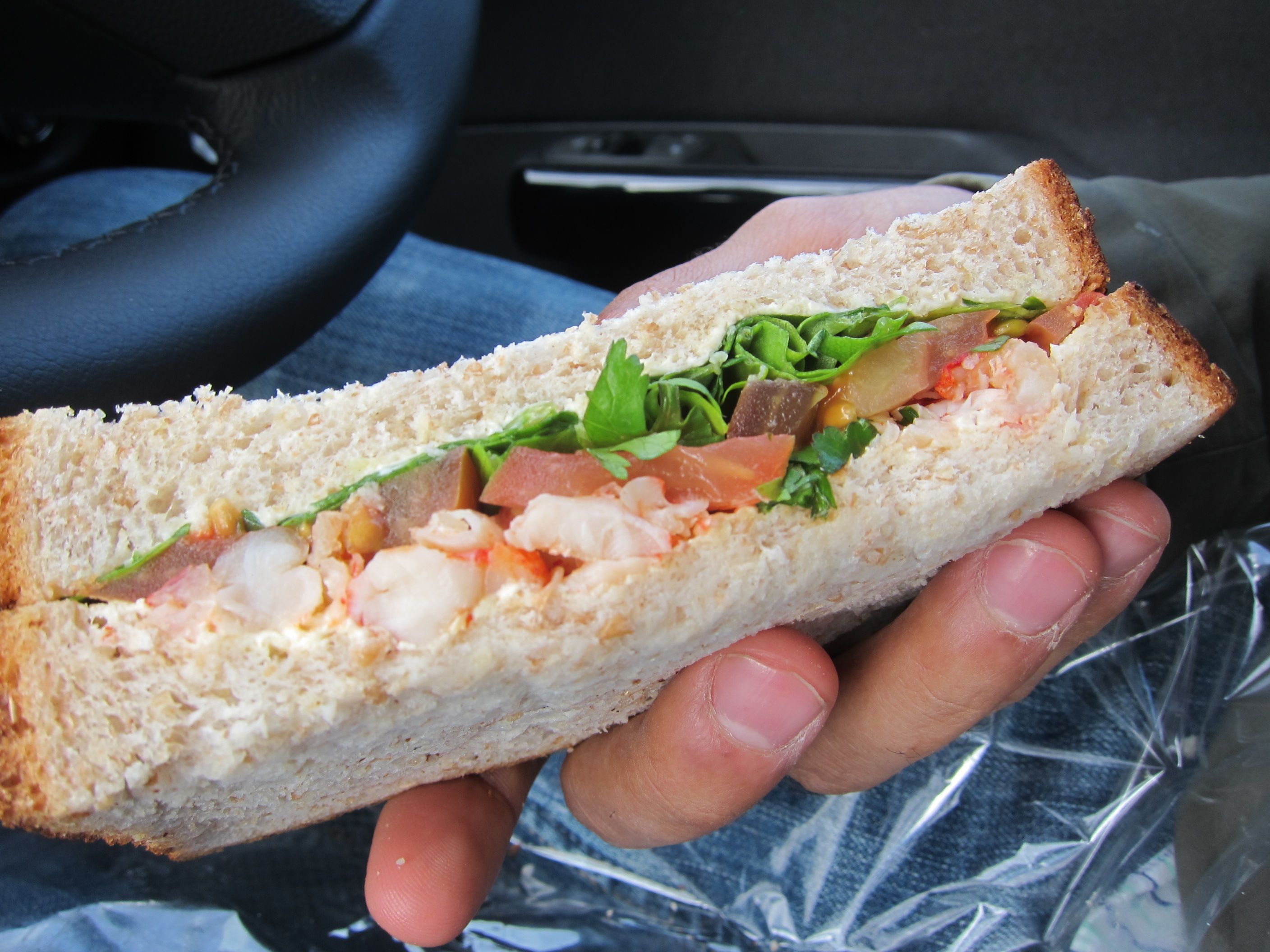
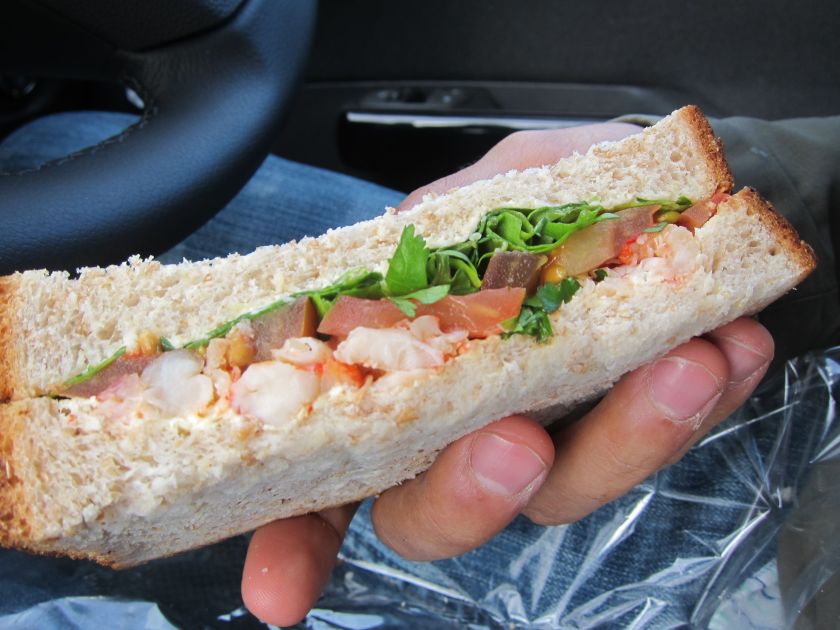
In contrast, the average Britain sandwich offers you Crayfish and Rocket (yes, instead of watery iceberg lettuce), Cheddar and Branston Pickle, Egg & Cress…multigrain, wholegrain, German rye… the options are endless.
3.  Desserts

As much as I respect America’s penchant for pie-baking, England definitely wins when it comes to the sweet stuff.  Maybe it’s proximity to chocolate-loving Belgium and dessert-loving France, maybe it’s a history of cakes and trifles, no matter how you slice it, the Brits come out ahead.  England has chocolate digestive biscuits and Cadbury’s. ’nuff said.  Oreos and Hershey’s taste like cardboard in comparison.
4. Borough Market

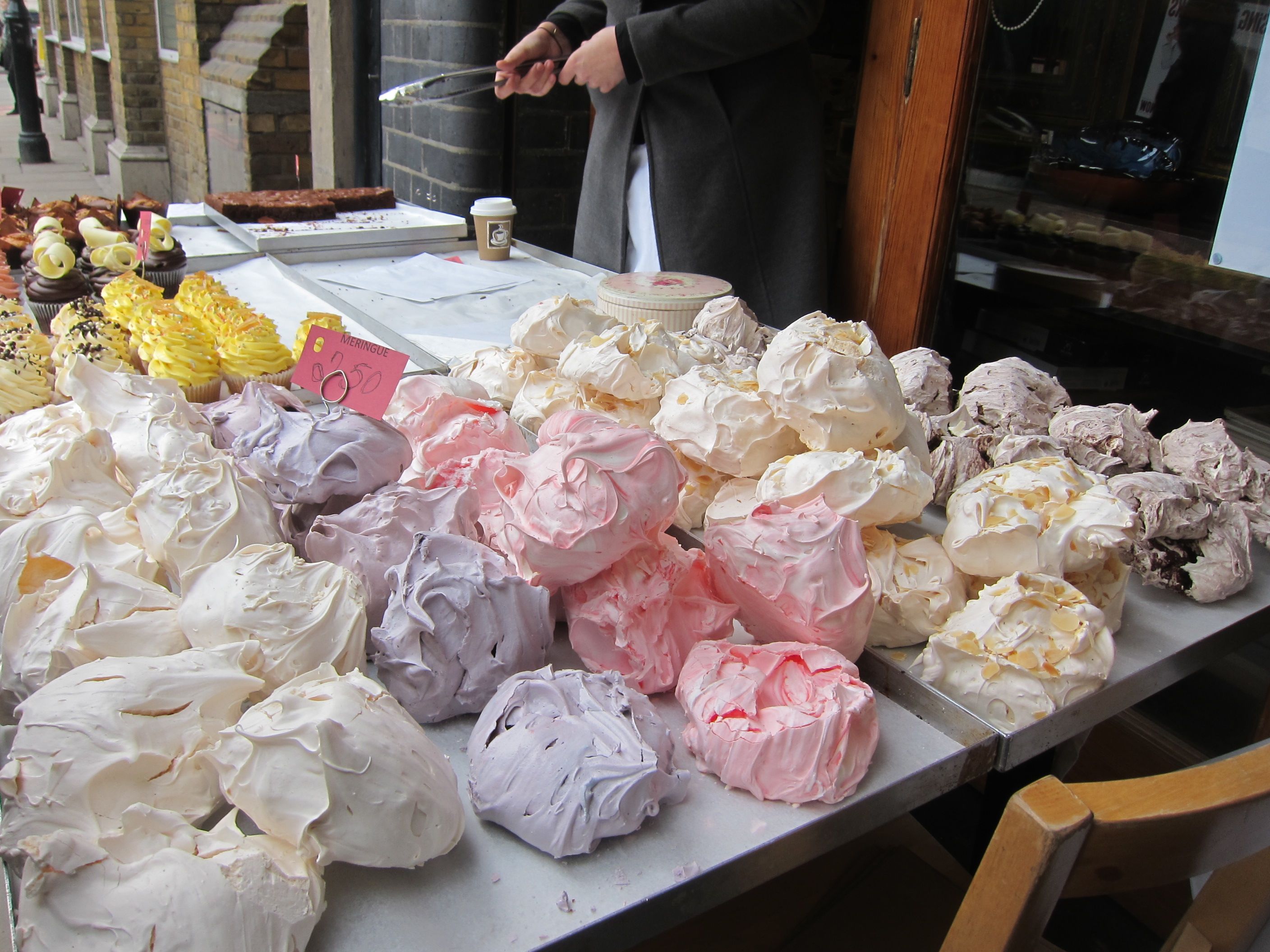
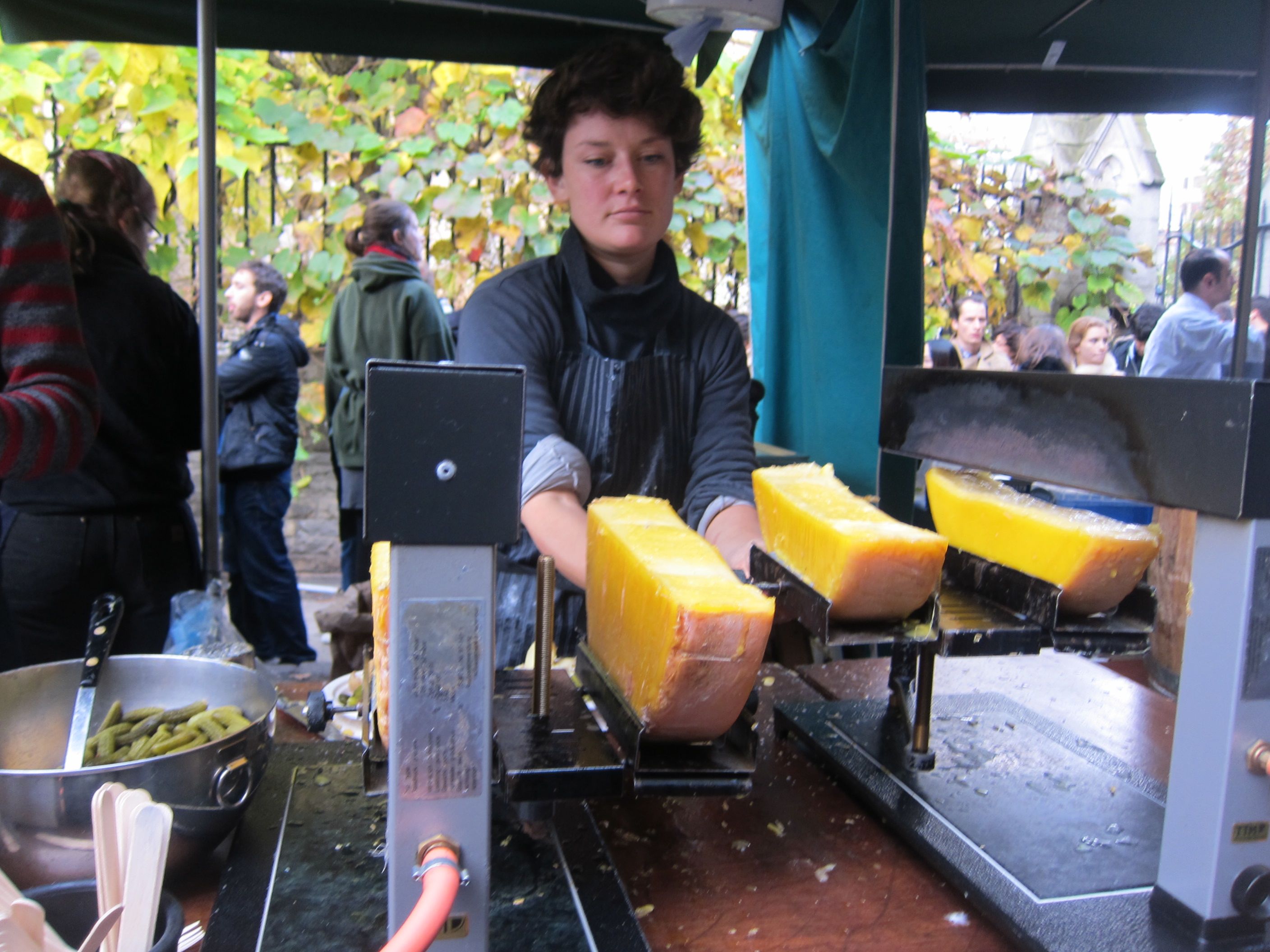
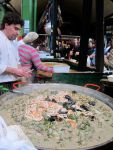
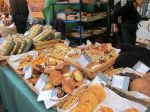
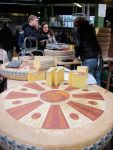
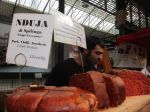
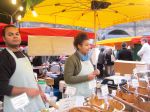
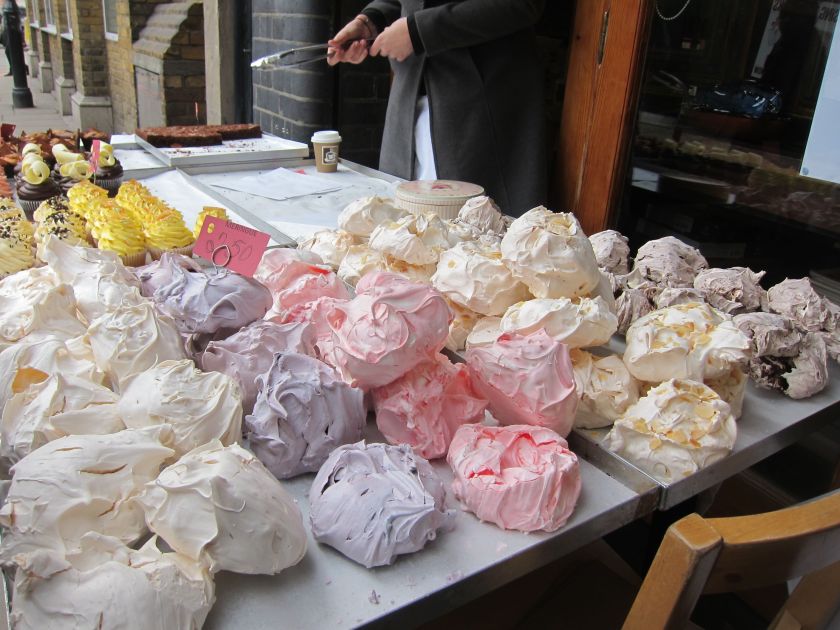
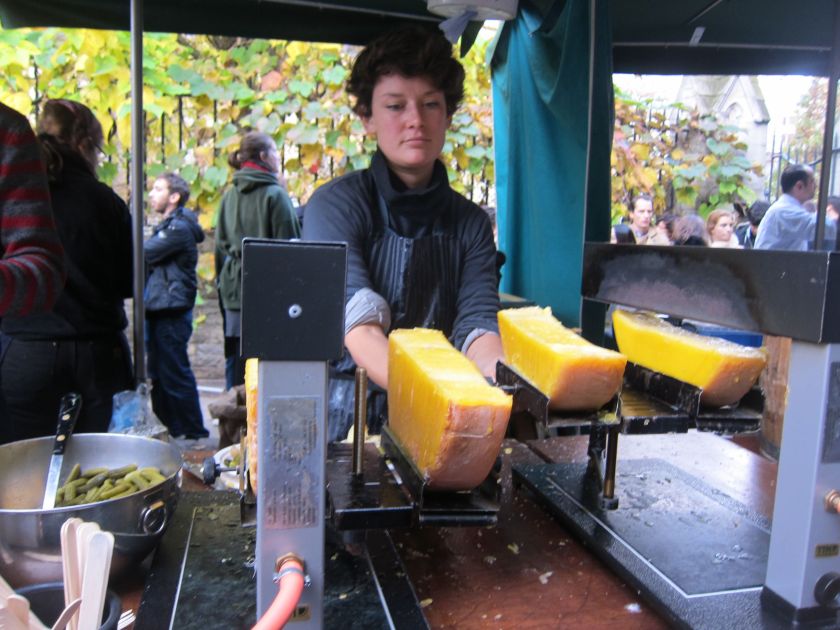
If you’ve ever visited Borough Market, you’ll know that it puts even the San Francisco Farmers’ Market to shame (which, for the record, is fantastic). Hundreds of small artisans, wholesalers, foodies and retailers flock to this bustling space each Saturday to partake in the exchange of local ‘honest’ food.  Wander past the cafes and al fresco restaurants to take in the colourful displays of fresh fruit and exotic vegetables.  Nibble on stilton and shropshire and sample the pungent patés and spicy curries.  Recharge at the fresh juice station and sip on mulled wine and hot cider at the beverage corner.  If you feel up to it, stand in line for a serving of rich, gooey raclette or for a freshly grilled burger.  Munch on your meringue, pick up some elderflower jelly and make sure you pack some Turkish delights for later.
5. Maroush, CTM and Nandos

I hate using the term ‘ethnic foods’ so I’m going to boil this down to the crux of the argument: England is really good at sussing out the “best” [insert cuisine type] dish and selling it en masse.  Rather than view this as an adulteration or departure from authenticity, I consider this a warm embrace of “foreign” culture by a hungry British public.  I love that Chicken Tikka Masala, or CTM as it is affectionately known, is India’s national dish, but only in England.  I love that people go bananas over an £9 chicken wrap at Nandos and I love that I can buy taramasalata in pretty much any grocery store.  England’s physical and psychological proximity to Continental Europe, Asia and Northen Africa uniquely positions it for access to a variety of rich culinary traditions. Joking aside, Indian food (as an example) has progressed well beyond the ubiquitous CTM and made its way into the vernacular and essence of British life.  It’s pretty easy to walk into one of Masala Zone’s many London outposts and walk out 20 minutes later with a happy tummy full of lamb roganjosh.  The same applies to the mind-blowing Lebanese food at Maroush, which you will likely encounter 11 times while walking down Edgeware Road.

I could go on for a while in defense of what has come to represent British food, but I’ll stop here.  My point is certainly not (entirely) to rail on American food since I’m a big fan obviously, but to point out just a few of the highlights of food in England which is by no means inferior to food in America.  If you’re still hesitant to skip the pond and see for yourself, I’d encourage you to try some classic British dishes like shepherd’s pie and Welsh rarebit or indulge in some cream tea, a Sunday roast or even just some fish and chips. Until then, enjoy the pics!

Full Disclosure: I got engaged in London this past weekend and it is therefore entirely possible that I am writing this post on a (British food?) high 🙂